Image Segmentation and Object Detection
Production-oriented computer-vision workflows built with Detectron2 and TensorFlow/Keras for infrastructure and geospatial imagery.
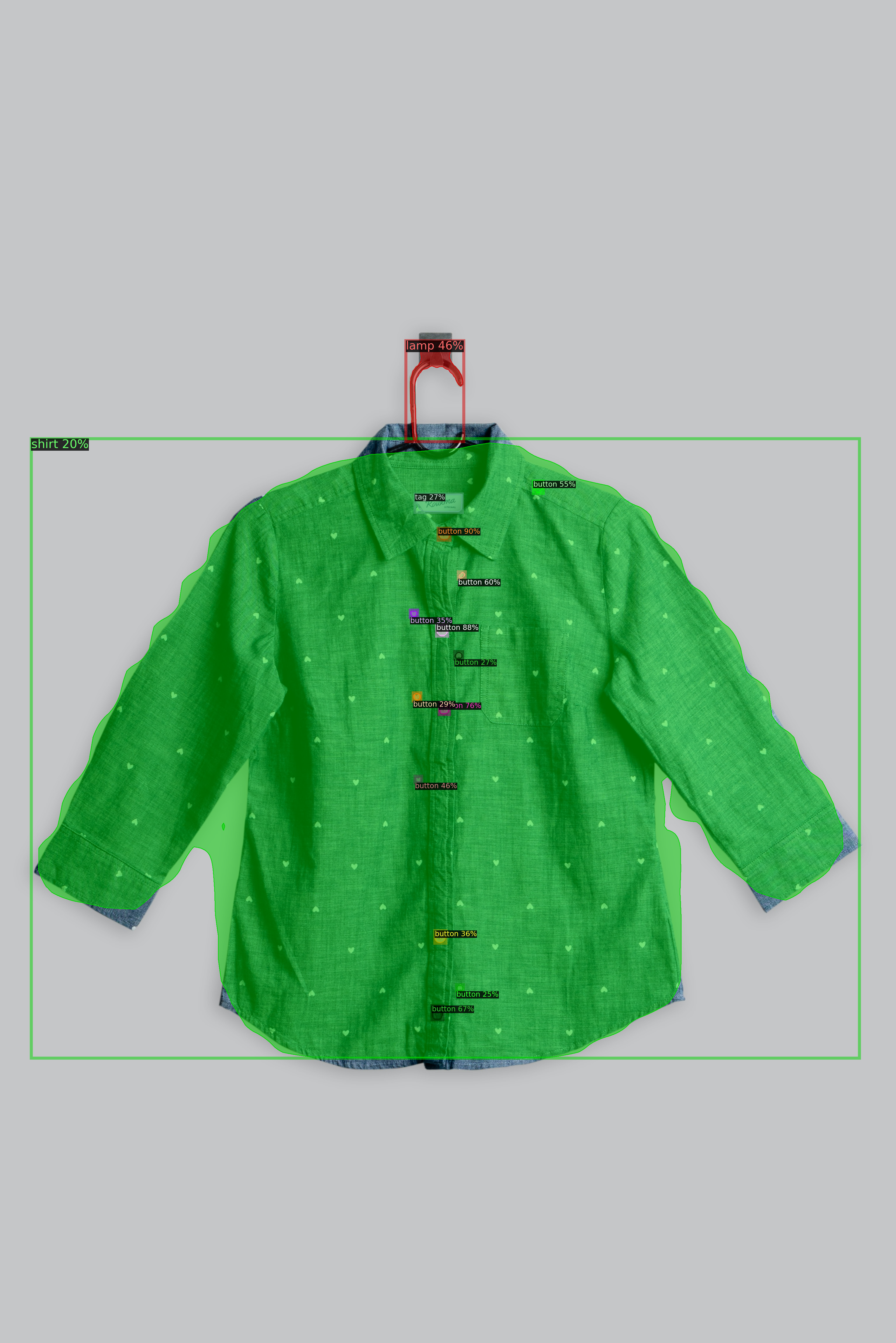
A major part of my recent work has focused on segmenting and detecting objects in real-world imagery, particularly for infrastructure and utility datasets. In production settings, I have worked with TensorFlow/Keras segmentation pipelines that use pretrained encoders such as EfficientNetV2, DenseNet, and MobileNetV2, as well as PyTorch-based frameworks such as Detectron2 for instance segmentation and object detection.
Detectron2 is especially useful when the task benefits from strong out-of-the-box architectures such as Mask R-CNN, PointRend, or panoptic models. In my workflow, it has been valuable for detecting and segmenting objects such as poles, traffic signs, and other field assets, while TensorFlow models have supported core segmentation pipelines for production imagery.
The engineering work around these models matters as much as the model choice itself. I have built preprocessing stages for tiling, normalization, and feature extraction, evaluated models with robust metrics, and packaged training and inference workflows for integration with larger systems. The result is not just a model demo, but an operational computer-vision pipeline.
This page is intentionally high level. Some implementation details from company work are proprietary, but the frameworks and technical direction reflect my current applied ML practice.